Top Catering Styles for Your Next Event: From Buffet to Interactive Stations
- Lamar Newby
- Dec 10
- 4 min read
Choosing the right catering style can shape the entire atmosphere of an event. Whether hosting a casual gathering, a formal dinner, or a dynamic team-building session, the way food is served influences guest experience, interaction, and convenience. This guide explores popular catering styles that fit various occasions, highlighting their benefits and ideal uses to help event planners make informed decisions.

Buffet Style Catering
Buffet catering works well for informal or larger gatherings where guests appreciate flexibility. It allows attendees to serve themselves, choosing dishes that suit their tastes and dietary preferences. This style encourages mingling and movement, making it ideal for social events where interaction is a priority.
Why Choose Buffet Style?
Variety and Choice: Guests can sample multiple dishes, from pulled-pork sliders to mac & cheese, collard greens, and cornbread.
Casual Atmosphere: The self-serve format creates a relaxed vibe, perfect for family reunions, casual parties, or community events.
Efficiency: Buffets can accommodate large groups without long wait times, as multiple guests serve themselves simultaneously.
Tips for a Successful Buffet
Arrange dishes logically, starting with plates and utensils, followed by main courses, sides, and desserts.
Label dishes clearly, especially if there are allergens or dietary options.
Provide enough space for guests to move comfortably and avoid bottlenecks.
Buffet catering suits events where flexibility and guest interaction are key. It also allows hosts to offer a broad menu without the complexity of individual plating.
Plated Service Catering
For formal dinners, award ceremonies, or events where presentation matters, plated service offers a polished dining experience. Each guest receives a carefully prepared and plated meal, such as herb-roasted chicken with sweet potato mash and a seasonal dessert.
Advantages of Plated Service
Elegant Presentation: Meals look refined and consistent, enhancing the event’s sophistication.
Controlled Portions: Hosts can manage serving sizes and menu selections precisely.
Focused Dining: Guests enjoy a seated, uninterrupted meal, ideal for speeches or performances.
Considerations for Plated Service
Requires more staff for serving and clearing plates.
Less flexibility for guests with dietary restrictions unless pre-arranged.
Typically suited for smaller to medium-sized groups due to service logistics.
Plated service elevates the dining experience, making it a top choice for weddings, gala dinners, and formal celebrations.

Family-Style Dining
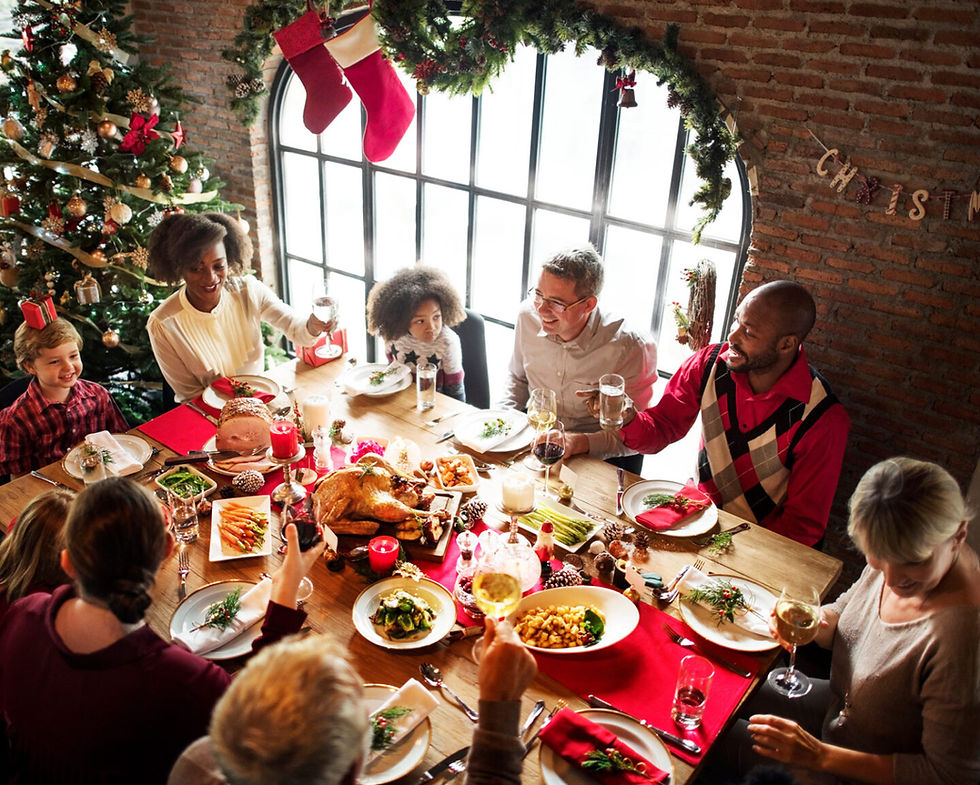
Family-style dining features large platters passed around the table, encouraging sharing and conversation. This style fosters a sense of community and teamwork, making it excellent for team-building events, holiday lunches, or intimate gatherings.
Benefits of Family-Style Dining
Interactive Experience: Guests engage with each other while sharing food.
Variety on the Table: Multiple dishes are available at once, allowing everyone to try different flavors.
Comfort and Warmth: The communal aspect creates a welcoming atmosphere.
How to Make Family-Style Work
Use large, easy-to-pass platters.
Ensure tables are sized appropriately for sharing.
Include serving utensils for each dish to maintain hygiene.
Family-style dining blends the convenience of buffet with the intimacy of plated service, making it a versatile option for many events.
Boxed Lunches
Boxed lunches provide a practical solution for meetings or events on the move. They are easy to distribute and allow guests to eat without interrupting the event’s flow.
When to Use Boxed Lunches
Conferences or workshops with tight schedules.
Outdoor events or picnics.
Situations where seating is limited or informal.
What to Include in a Boxed Lunch
A main sandwich or wrap.
A side such as fruit, chips, or salad.
A dessert or snack.
Beverage options.
Boxed lunches prioritize convenience and portability, making them a smart choice for busy or mobile events.
Interactive Food Stations
Interactive food stations add energy and engagement to any event. Guests can customize their meals at stations like a build-your-own taco bar or a carving station with smoked meats.
Why Interactive Stations Work
Customization: Guests tailor their food to personal tastes.
Entertainment: Watching food prepared or assembled adds excitement.
Social Interaction: Stations encourage guests to gather and chat while waiting.
Popular Interactive Station Ideas
Taco or slider bars with various toppings.
Pasta stations with different sauces and add-ons.
Carving stations featuring smoked or roasted meats.
Dessert stations with build-your-own sundaes or crepes.
Interactive stations suit lively events where food is part of the entertainment, such as festivals, casual receptions, or holiday parties.

Choosing the Right Catering Style
Selecting the best catering style depends on the event’s purpose, size, and atmosphere. Consider these factors:
Event Type: Formal dinners benefit from plated service, while casual gatherings thrive with buffet or family-style.
Guest Interaction: If mingling is a goal, buffet or interactive stations encourage movement and conversation.
Logistics: Smaller venues or tight schedules may favor boxed lunches or plated meals.
Budget: Buffets and family-style can be more cost-effective than plated service due to staffing needs.
Matching the catering style to the event’s goals ensures guests enjoy their experience and the host manages the event smoothly.
Final Thoughts
The way food is served shapes the mood and flow of any event. Buffet style offers variety and ease for informal gatherings. Plated service delivers elegance for formal occasions. Family-style dining builds community through shared plates. Boxed lunches provide convenience for busy or mobile events. Interactive food stations bring fun and customization to the table.


Comments